
How to Use Dermestid Beetles for Professional Skull Cleaning
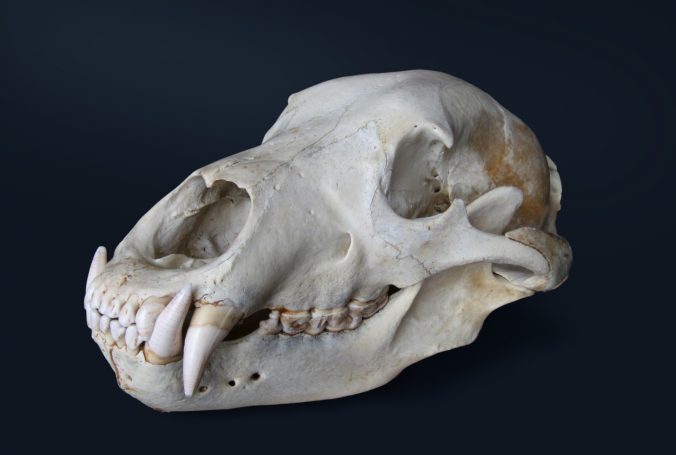
Are you looking for a fast and efficient method for cleaning the skull? Use dermestid beetles to clean it. Professional skull cleaning with dermestid beetles is one of the best ways to clean bones. Because this method effectively cleans the skull, many hunters and taxidermists use it. As dermestid beetles often entirely consume the flesh and leave no tissue behind, this method is more efficient than its alternatives.
Furthermore, it doesn’t require strong chemicals that could tarnish the cranium and endanger the preparer’s health.
Let’s say you intend to clean an animal skull shortly. If so, you might need to know how to perform it step-by-step. Here is a guide to help you get started in that regard. To find out more, keep reading.
Remove the Cape
Usually, the first step in preparing an animal skull for dermestid beetles is to remove the cape. You might go straight to a skull cleaning company for this purpose.
If you decide to do it yourself, you must choose and use a sharp knife. You can begin by making incisions from the animal’s forehead down to its lower jaw. Another method is to begin at the base of the skull and cut the cape in the direction of the forehead.
Once the cape is fully removed, use a sharp knife to cut off any leftover furry parts. To remove the thicker portions of the meat and fat, you can make a deep cut. To make jaw removal or separation easier, you can remove the tissues that connect the upper and lower jaws.
Maintain a Fresh Skull
After a few days of waiting for the flesh to deteriorate, some taxidermists start working on their animal skull. Keeping the skull fresh has been the favored option today because it keeps the entire head from stinking, even if this has been a traditional option. Additionally, it keeps the unpleasant smell from entering the container of the dermestid beetle.
You can think about freezing the animals’ skulls to preserve their freshness. Since you’re just beginning to study taxidermy, you should store the head in a dry, cool container so you have time to prepare it. However, as bacteria can still grow in frozen heads, you must take care to thaw the skull after a few days to prevent its gradual deterioration.
Once more, clean the skull
Cleaning the animal’s skull a second time can help ensure the procedure is thorough and successful. The cleaning procedure will take longer if the game skull is larger. Remove the damaged areas if you see symptoms of deterioration.
Give the skull enough time to dry
The skull does not completely desiccate after it is dried. In this process, “drying” means removing any blood and liquids that could cause the flesh to smell. To dry out the remaining meat, you might need to hang the skull for a few hours.
If the room temperature is already high, you can also let the skull air dry. To get rid of any last traces of moisture, you can also use a dry towel. You can begin inserting the animal skull into the beetles’ container after you can no longer feel moisture on the various portions of the skull.
Soak the skull if need
You can think about soaking the skull in water for the entire night if the head is too dry and the colony is too dehydrated to eat.
Put the skull inside the container of the dermatid beetle
You may think about your dermestid beetle colony before placing the skull in the container. You can put the skull wherever in the tank as long as the population of beetles is at least a foot thick from the bottom.


